The Maquila Solidarity Network (MSN) is a labour and women's rights organization that supports the efforts of workers in global supply chains to win improved wages and working conditions and a better quality of life. (More…)
On July 10, 2008, following the Ethical Trading Forum in Vancouver at which transparency and Olympic licensing was debated with companies, trade unions, NGOs and Olympic organizers, Nike publicly released the full list of factories that produced its products for the Beijing 2008 Olympics.
On June 12, the Ethical Trading Action Group (for which MSN serves as the secretariat) and its counterparts in British Columbia brought together 60 representatives of Olympic stakeholders for the 2008 Ethical Trading Forum in Vancouver. Together, they discussed and debated ways to improve working conditions in China and other countries where Olympic-branded products are made, and how to ensure that the 2010 Vancouver Olympics are sweat-free.
In this issue:
Bangladeshi workers and labour rights advocates arrested under emergency laws; Factory investigation confirms Catholic students’ sweatshop fears; Play Fair activists set targets for better working conditions by next Olympic Games.
Also: Vaqueros Navarra workers fight blacklisting, struggle for severance pay; 45 hour student sit-in wins No Sweat licensing policy at York University; Montreal garment workers fight factory closure; Cambodian union enters fifth month on strike; Ontario First Nations leaders jailed for peaceful protest.
Download Update 13.2 here.

As the clock ticks down to the Beijing Olympics, international sportswear companies are amassing huge profits and arranging multi-million dollar sponsorship deals with the Games, Olympic athletes and national teams.
Meanwhile, workers producing their goods are still living in poverty. In a new report, “Clearing the Hurdles: Steps to improving working conditions in the global sportswear industry”, Play Fair 2008 calls upon brands, manufacturers, and multi-stakeholder initiatives to overcome four major hurdles to make real, measurable progress on wages and working conditions in the global sportswear industry.

MSN Codes Memo #23
Who’s got the Universal Code? examines attempts by multi-stakeholder initiatives and industry associations to develop and promote a “universal” code of conduct that would be applicable to one or more sectors in the globalized economy. We also compare and contrast key provisions on minimum labour standards in these competing “universal codes” and identify critical issues that are blocking agreement on a common code.
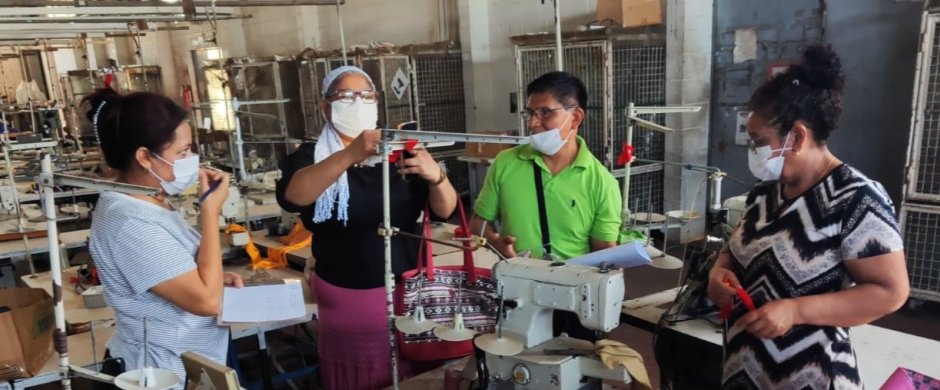
Toronto- For years, students have been asking questions about where and under what conditions their school uniforms are being made. A new report on a factory investigation conducted by the Worker Rights Consortium (WRC) for Catholic School Boards in Ontario confirms their worst fears.
On Saturday March 8th, York University President Mamdouh Shoukri made a commitment to introduce a No Sweat licensing policy at the university by April. This promise came in response to a 45 hour sit-in by York students, members of the Sustainable Purchasing Coalition (SPC), a student group lobbying to reform York purchasing policy to more sustainable standards. If this pledge goes through as promised, York will bring the number of Canadian Universities with No Sweat policies to 17.
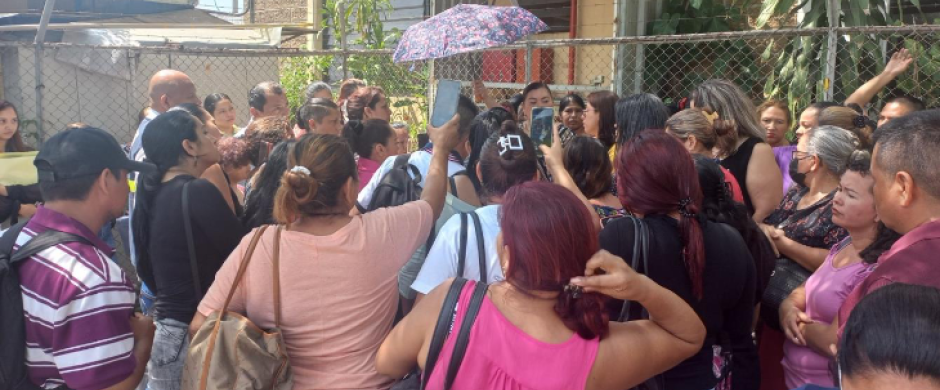
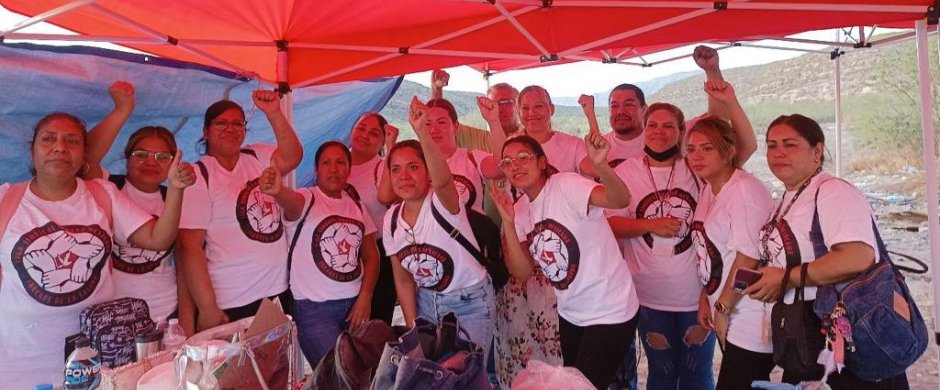
Vaqueros Navarra workers took to the streets this month as growing evidence suggests their factory was closed to eliminate an independent union.